









Agra distils the dysfunctional family chronicle, the psychosexual drama and the housing dream movie into a provocative tale of urban horror. Kanu Behl’s second feature from 2023, which is finally out in Indian cinemas, ventures into the darkest recesses of a deranged mind.
Guru is 24, intensely repressed and deeply disturbed. The product of a terrible marriage, Guru (Mohit Agarwal) has imploded to the point where he can barely distinguish reality from fantasy.
His mental state is reflected in a recurring motif of different colours flowing into one other, creating an mutating whirlpool. Guru’s domestic situation is a direct contributor to his incipient psychosis.
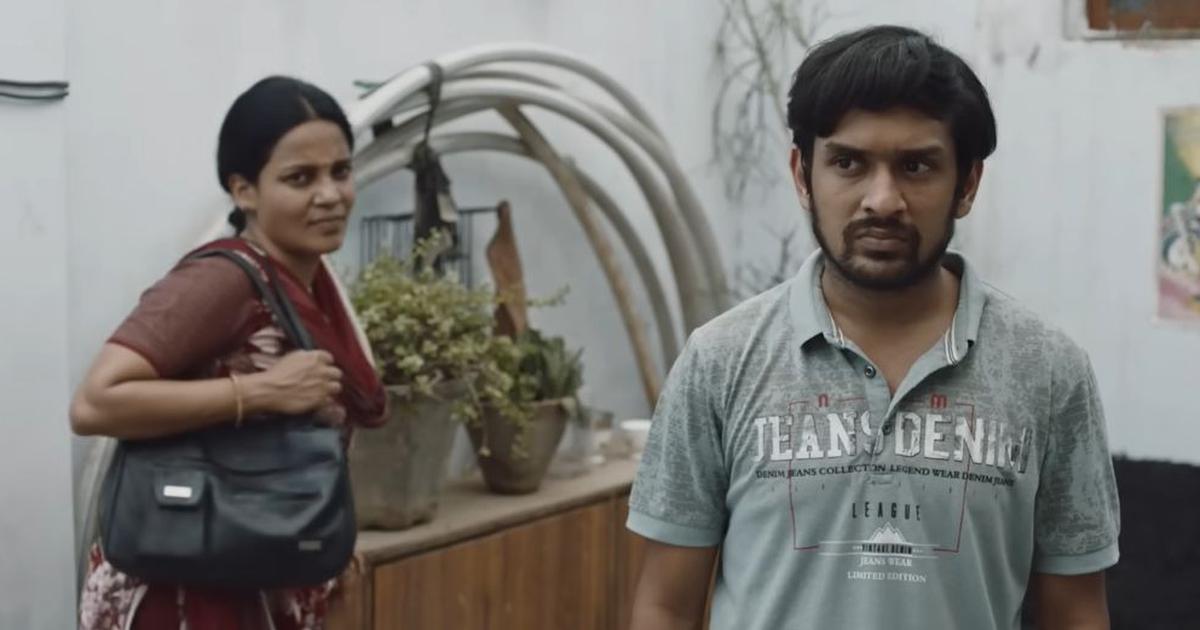
His father (Rahul Roy) lives with his second wife (Sonal Jha) on the terrace of their house. On the floor below, Guru’s mother (Vibha Chibber) rages against her husband, to no avail. Guru, his mother, and his cousin Chhavi (Aanchal Goswami) are all competing for the room on the roof – trying to become, and eclipse, the despised patriarch.
When Guru meets cyber cafe owner Priti (Priyanka Bose), who has a crippled leg and an equally tormented backstory, his desire of having his own family appears to be within reach. Guru negotiates hard with a builder (Babla Kochhar) to remodel the very house that has made him what he is.
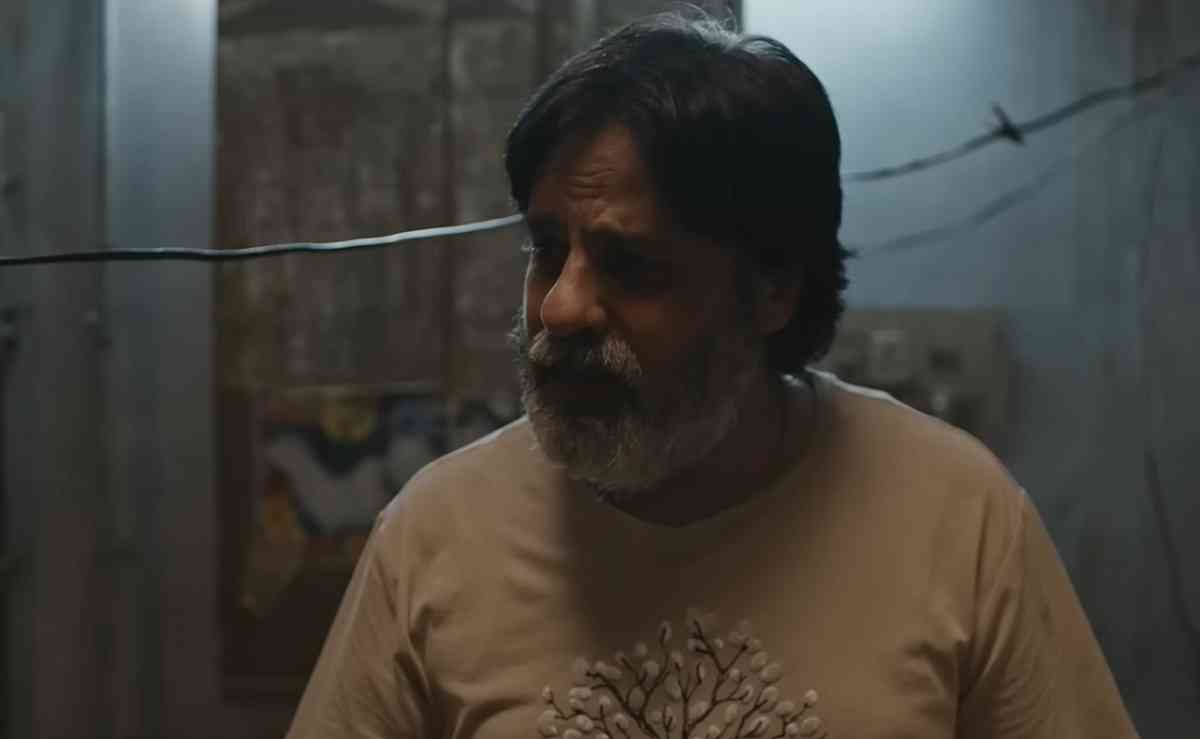
Written by Behl and Atika Chohan, Agra is an unrelentingly unsettling examination of masculinity under severe strain. Set in the city in Uttar Pradesh that houses a monument to love and a notorious asylum for the mentally ill, Agra is both a study of normalised insanity and a cri de coeur from a young man described as “India’s future”. Guru’s anguish is forever being projected onto his parents, Chhavi and, most strongly, Priti.
The 115-minute film is sexually explicit and consciously unpleasant, with scenes that painfully reveal the things people do to one other when they are pushed against the wall. Parul Sondh’s production design and Saurabh Monga’s cinematography bring out the skewed architecture of the house that is an extension of Guru’s fractured mind. The space seethes with traps of frustration and unhappiness, emotions that carry over to Guru’s assignations with Priti in her own home.
Agra is a continuation of themes that Behl previously explored in his brilliant debut Titli (2014) and his short film Binnu Ka Sapna (2018). Agra goes much further than these movies, examining the transactional foundation of middle-class Indian families with a pitiless, Fassbinderian eye. Indeed, Titli, which has characters who are rooted in an identifiable reality, is a picnic compared to Agra’s rampant freakishness.
Physical abuse, pornographic fantasies and graphic sex – Behl gives no quarter and takes no prisoners. While his gaze isn’t that of a voyeur, there are moments in Agra that are unbearably blunt in their cruelty.
Priti’s dehumanising encounters with Guru yield the most disturbing scenes in Agra. In these moments, both Guru and his creator reveal a worldview that is unflinching but troubling too, bold while also being brutal.
The cast is one with Behl’s nightmarish vision. Mohit Agarwal displays a complete lack of inhibition in portraying Guru’s journey down the rabbit hole. Priyanka Bose is terrific as the canny Priti, fearlessly embracing her character’s warped equation with Guru. Bose is especially memorable in the scene in which she first meets Guru and assesses his usefulness to her own bid for freedom.
In a film stuffed with people whose experiences have twisted them out of shape, Bose’s Priti alone retains her humanity. The other characters are a bit too far gone for us to hear their cries, or feel for their sorrows.
With Agra, Kanu Behl goes where few Indian filmmakers have before. There’s almost nothing out there that resembles Agra in its imagery or exploration of a distorted family dynamic.
The film’s refusal to bow to empathy is its biggest challenge to viewers. Having boxed them into a madhouse, Kanu Behl dares them to find the exit. In this regard, Agra entirely succeeds – uncomfortably so.
Also read:
‘Agra’ isn’t for the faint-hearted – and director Kanu Behl won’t have it any other way
